Life sciences events are evolving quickly. Pharmaceutical companies, biotech organizations, and healthcare innovators are under pressure to deliver meetings that are more strategic, more measurable, and more engaging than ever before.
In 2026, life sciences events are no longer just about sharing scientific updates, they are platforms for collaboration, education, compliance, and brand experience. From investigator meetings to product launches and congress activations, the way events are designed and produced is shifting.
Here are some of the most important trends shaping life sciences events this year.
1. AI Is Influencing Everything—from Planning to Content
Artificial intelligence is rapidly becoming part of the life sciences ecosystem, influencing drug discovery, clinical trials, and patient engagement.
That shift is also affecting events.
Event teams are increasingly using AI tools to:
- Analyze attendee engagement data
- Personalize event agendas
- Generate real-time translations and captions
- Improve networking recommendations
For pharmaceutical meeting planners, AI can also help analyze session performance and identify what content resonates most with attendees, making future events more targeted and effective.
2. AV Is Becoming a Strategic Investment
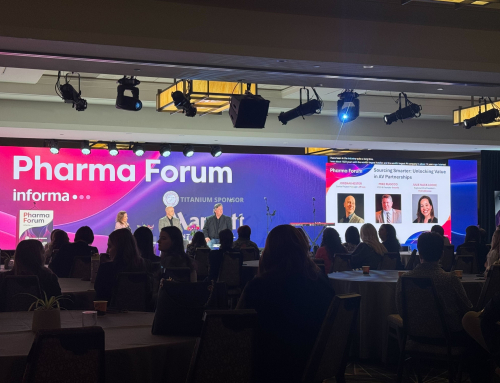
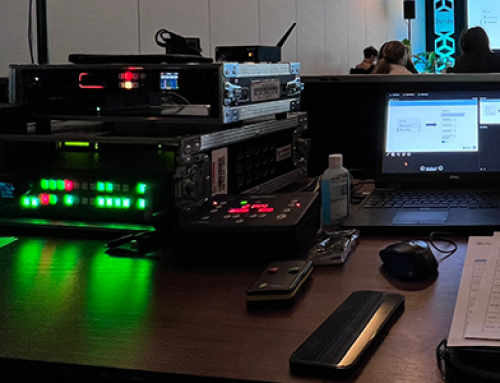
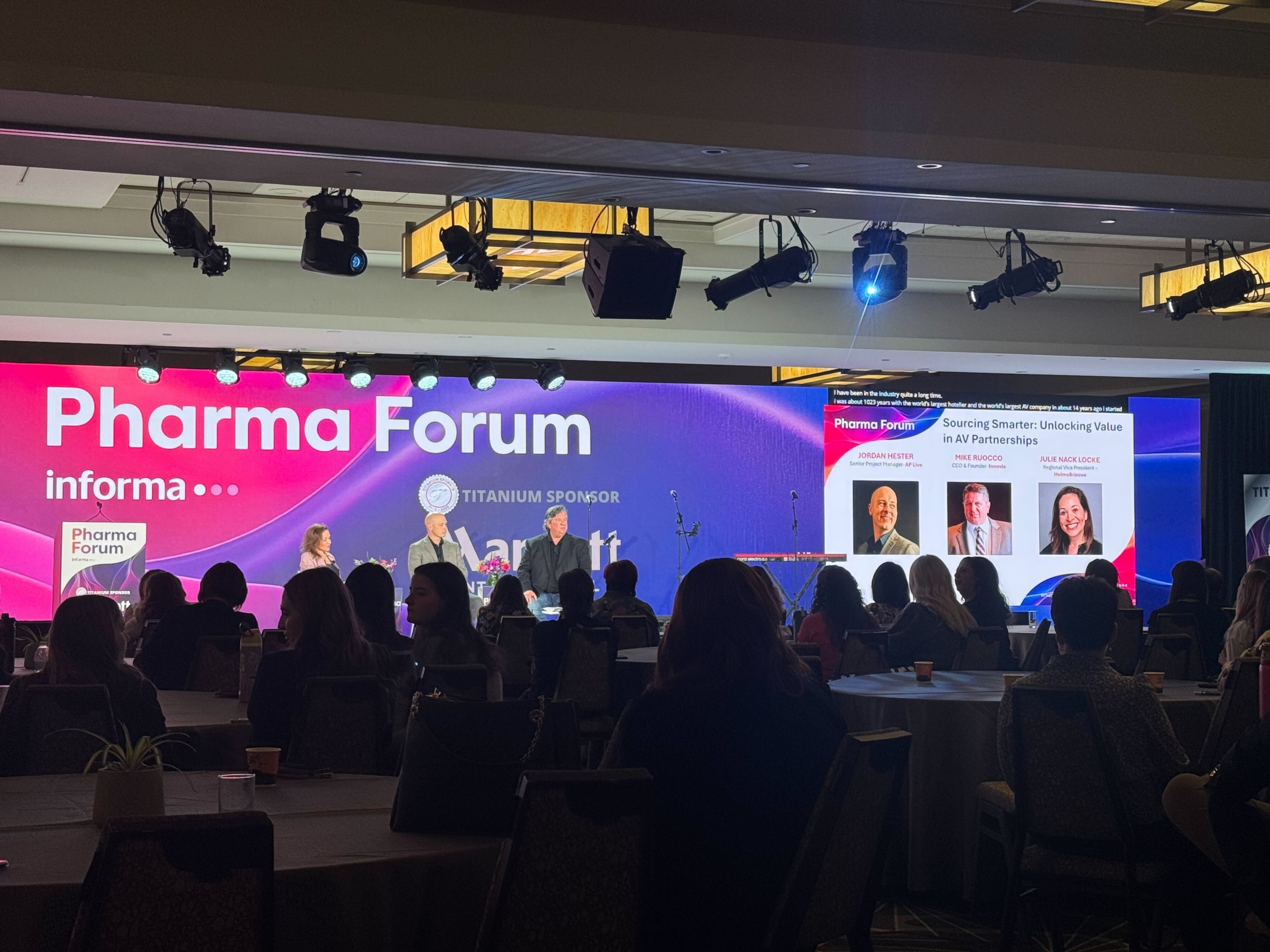
Audio visual production is no longer just about microphones and screens. In life sciences events, AV plays a critical role in how complex scientific information is communicated.
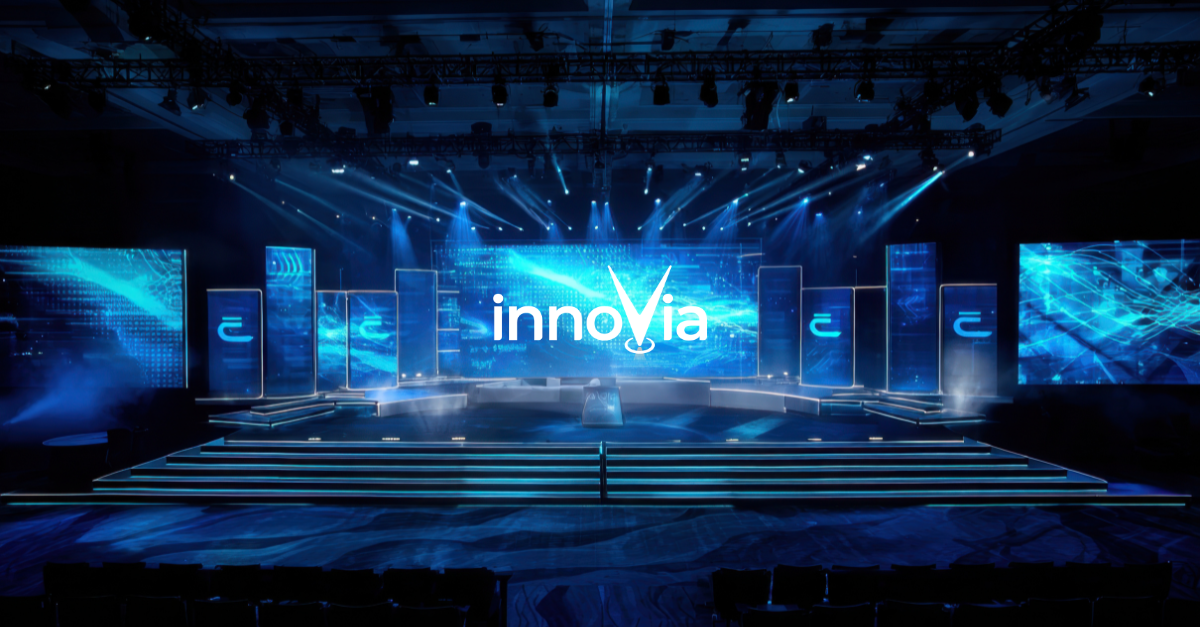
Dynamic scenic design, LED walls, motion graphics, and immersive staging are replacing static backdrops and traditional presentations. These tools help translate complex research, clinical data, and product messaging into visual storytelling that audiences can understand and remember.
For event planners, this means AV decisions should be made early in the planning process, not as a last-minute production detail.
3. Hybrid and Digital Extensions Are Now Standard
The pandemic accelerated hybrid events, but the model has evolved beyond simply streaming sessions.
Today’s life sciences events often include:
- Virtual attendance options for global teams
- On-demand content libraries
- Live digital interaction tools
- Post-event content distribution
Hybrid formats allow organizations to reach larger audiences, including medical professionals, researchers, and stakeholders who cannot travel. They also extend the life of event content long after the meeting ends.
In many cases, events are becoming year-round content platforms rather than single moments in time.
4. Data and ROI Are Driving Event Strategy
Life sciences organizations are placing increased pressure on event teams to demonstrate measurable impact.
Events are now expected to contribute to business outcomes such as:
- Stakeholder engagement
- KOL relationship building
- Investor communication
- Product education
- Pipeline awareness
This means planners must design events with clear objectives and measurement frameworks. Metrics such as engagement rates, session attendance, audience feedback, and post-event actions are becoming essential indicators of success.
5. Sustainability and Responsible Event Design
Sustainability is becoming a growing priority across the events industry. Event organizers are increasingly evaluating vendors, venues, and production choices based on environmental impact.
In life sciences meetings, this can include:
- Reducing printed materials through digital signage and LED displays
- Designing reusable scenic elements
- Choosing energy-efficient AV solutions
- Minimizing travel through hybrid participation options
Beyond environmental benefits, sustainability initiatives also align with many pharmaceutical companies’ broader ESG commitments.
6. Smaller, More Strategic Event Portfolios
Instead of relying solely on large conferences, many life sciences organizations are diversifying their event portfolios.
This includes:
- Smaller regional meetings
- Targeted advisory boards
- Investigator summits
- Customer roundtables
These focused formats often produce deeper engagement and more meaningful conversations while keeping costs manageable. Distributed event strategies are also helping organizations reach audiences in multiple regions without relying on a single large event.
Life sciences events in 2026 are becoming more strategic, more experiential, and more data-driven.
Organizations that succeed will be those that treat events not just as logistics, but as platforms for storytelling, collaboration, and measurable impact.
From AI-powered personalization to immersive AV design, the future of life sciences meetings is about creating experiences that help audiences understand complex ideas, build stronger partnerships, and move innovation forward.
Want to explore more insights and examples?
Visit our resource hub