Investigator meetings are among the most important, and complex, events in the life sciences industry. These meetings bring together clinical investigators, sponsors, and research teams to align on study protocols, timelines, and expectations.
Because the information being shared is highly technical and mission-critical, the way it’s delivered matters just as much as the content itself.
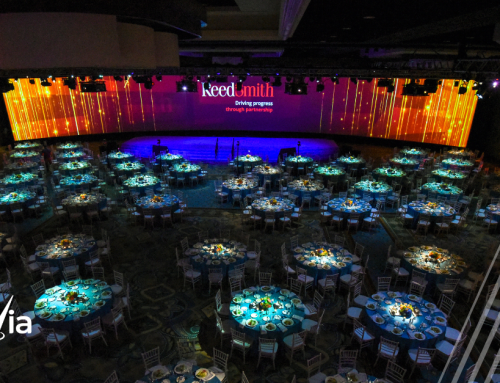
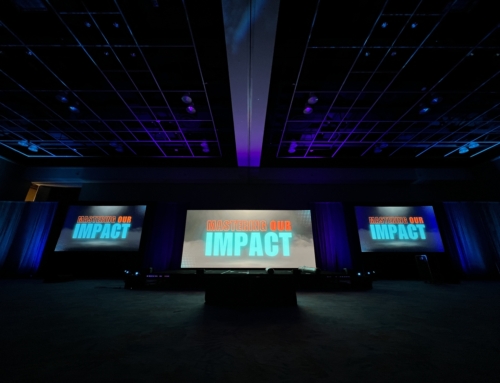
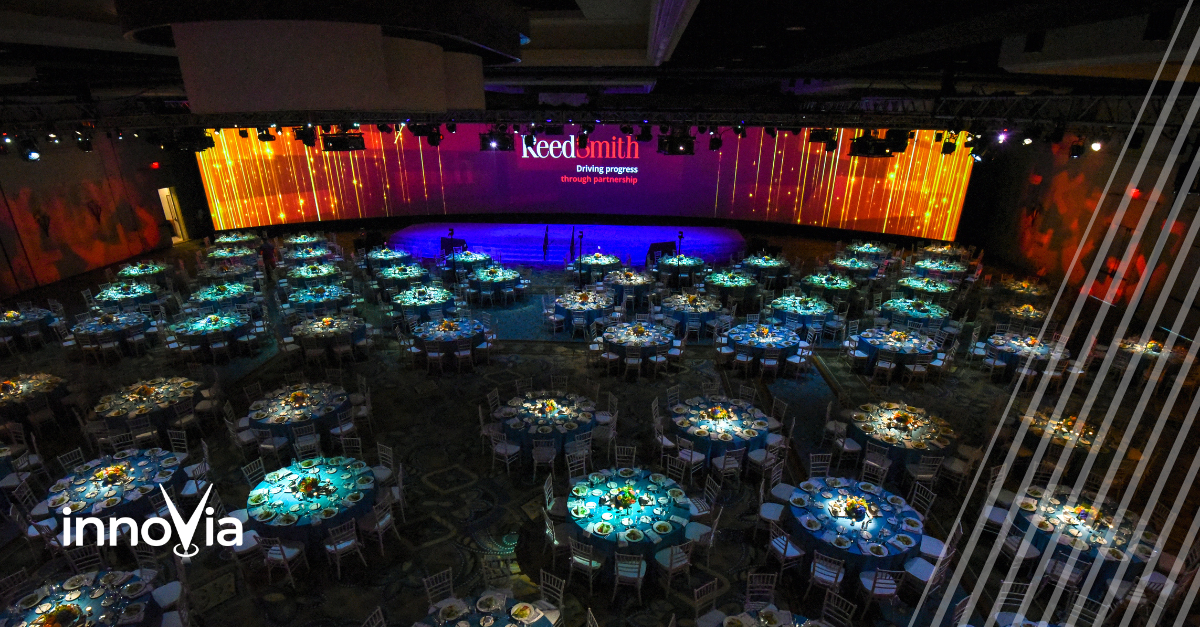
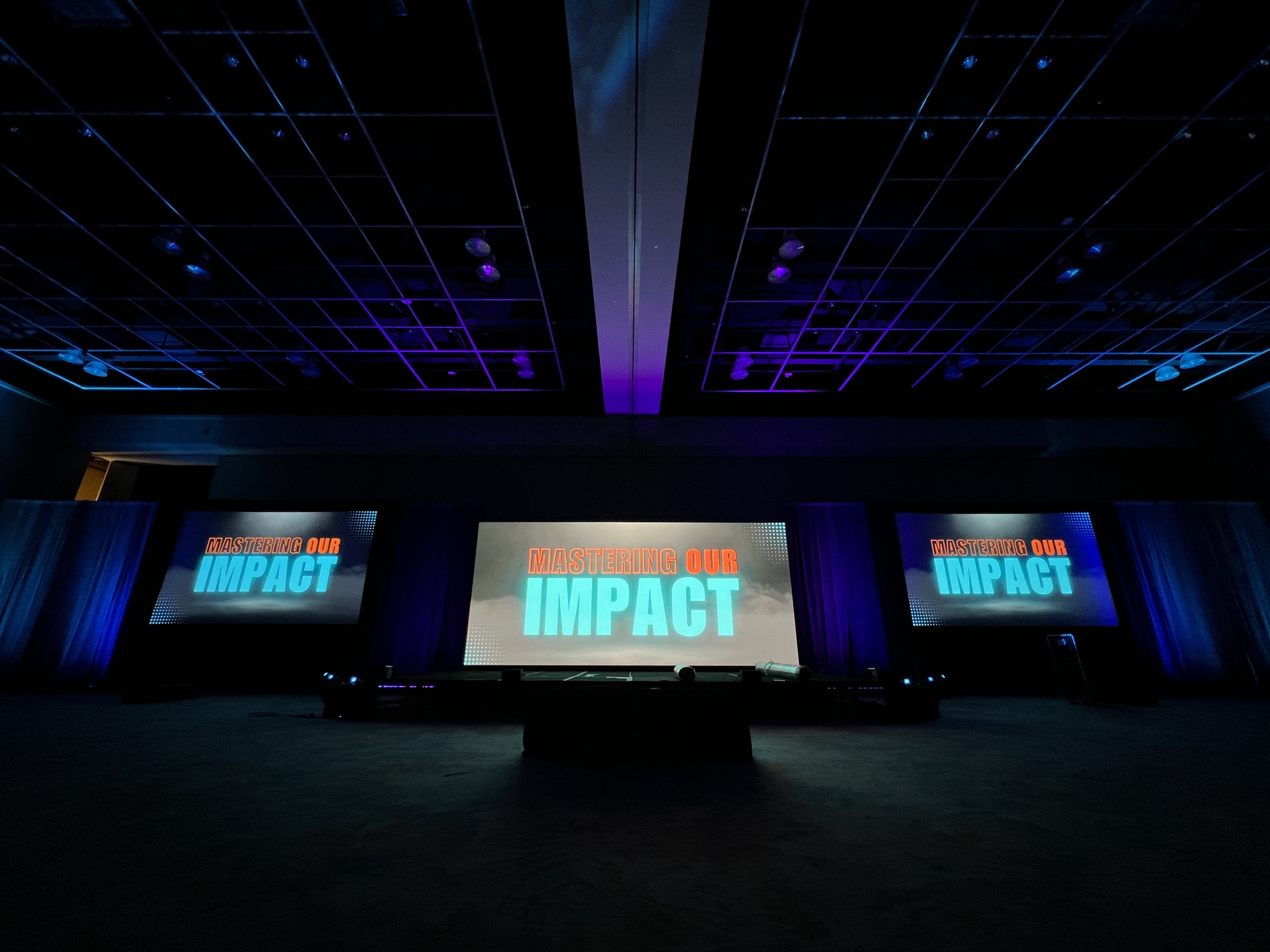
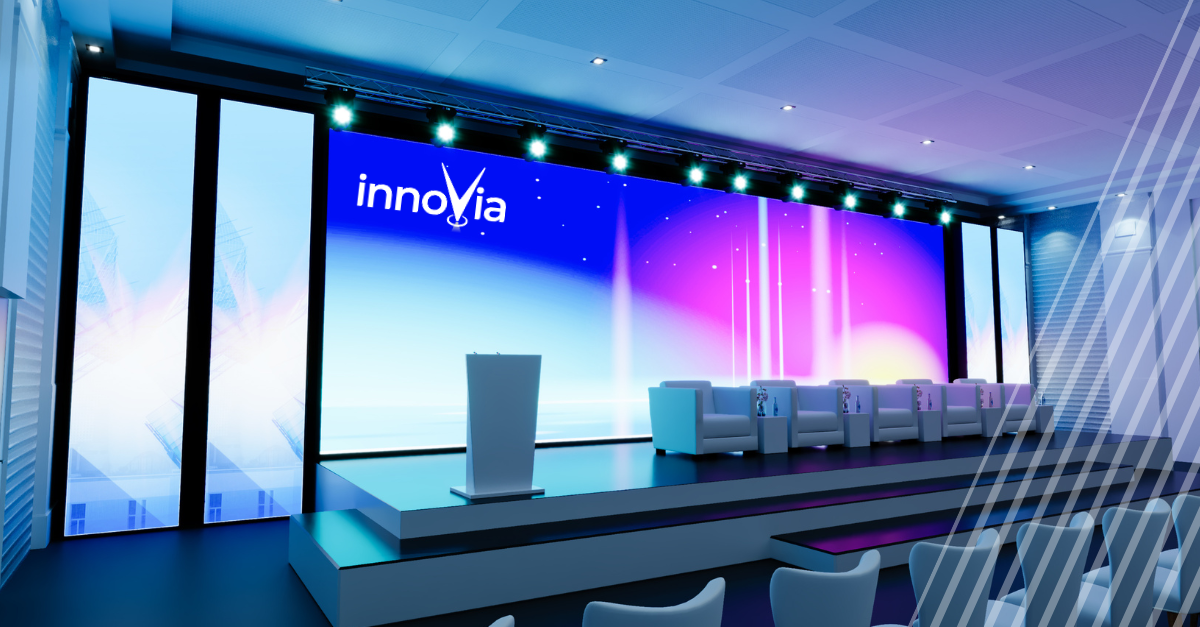
That’s why more pharmaceutical and biotech organizations are integrating LED walls into their investigator meetings, not simply as a visual upgrade, but as a strategic communication tool.
The Challenge with Traditional Event Displays
For years, investigator meetings relied on standard projection screens or printed scenic backdrops. While functional, these formats can limit the ability to present detailed data and keep audiences engaged.
Common challenges include:
- Low brightness in large meeting rooms
- Limited flexibility for dynamic content
- Static stage environments that don’t reinforce brand messaging
- Difficulty displaying complex visuals like study timelines, trial maps, and data charts
In an environment where clarity and precision are essential, these limitations can affect how effectively information is communicated.
LED walls offer a solution.
Why LED Walls Work So Well for Investigator Meetings
1. Clearer, Brighter Visuals for Complex Content
Clinical data, charts, and study diagrams are often dense and detail-heavy. LED walls provide exceptional brightness and resolution, ensuring that every attendee, from the front row to the back of the room, can clearly see the information being presented.
This clarity is especially valuable when presenting:
- Clinical trial timelines
- Data visualizations
- Protocol diagrams
- Scientific imagery
When content is easier to see, it’s easier to understand.
2. Flexibility for Dynamic Presentations
Unlike traditional backdrops, LED walls allow planners to change visuals instantly throughout the event.
This flexibility supports:
- Seamless transitions between presentations
- Branded content for different sessions
- Animated motion graphics that guide audience attention
- Live feeds or remote presenters
For investigator meetings that run multiple sessions over several days, this adaptability keeps the environment fresh and engaging.
3. Stronger Brand and Study Identity
Life sciences organizations often invest significant effort in developing the visual identity of a study or program. LED walls allow that branding to come to life across the entire stage environment.
Instead of relying on printed signage, planners can incorporate:
- Study branding and color palettes
- Branded motion graphics
- Immersive stage environments
The result is a cohesive experience that reinforces the importance of the meeting and the work being done.
4. Improved Audience Engagement
Long days of presentations can challenge even the most attentive audiences. Visual storytelling through LED walls helps maintain energy and focus.
Dynamic visuals, motion graphics, and carefully designed presentation templates help presenters guide attention to the most important information.
This is particularly important for investigator meetings, where retention of key details can directly impact study execution.
5. Reduced Reliance on Printed Materials
Many organizations are looking for ways to reduce printed signage and materials at their events.
LED walls make it possible to display:
- Session agendas
- Speaker introductions
- Break announcements
- Wayfinding content
This not only reduces waste but also allows planners to update information in real time.
Designing Content for LED Walls
While LED walls offer incredible potential, their effectiveness depends heavily on how the content is designed.
Presentations created for standard projection screens don’t always translate well to large LED displays. Planners should consider:
- Proper content dimensions and resolution
- Graphics designed specifically for wide formats
- Motion graphics that support, not distract from, scientific content
- Consistent branding across all visual elements
When the stage design and visual content are planned together, the impact is significantly greater.
A Strategic Tool for High-Stakes Meetings
For life sciences organizations, investigator meetings represent a critical moment to align global teams and ensure that clinical studies launch successfully.
Technology alone doesn’t guarantee success, but when used strategically, tools like LED walls can elevate the way complex information is communicated.
By improving clarity, supporting dynamic presentations, and creating a more engaging environment, LED walls are helping transform investigator meetings into experiences that are not only informative, but memorable.